Looking for the best second hand kimono shops TOKYO?
Purchasing a kimono as a souvenir from your Japan trip offers more value than just shopping.
Kimonos are cultural treasures filled with Japanese tradition and aesthetic sensibility, allowing you to take home a tangible memory of Japan.
If you want to buy a kimono, Japan—especially Tokyo—is the best choice with its abundant options and relatively reasonable prices.
Tokyo particularly has many affordable second hand kimono shops.
You should be able to buy kimonos as souvenirs at reasonable prices, which might otherwise be expensive overseas.
This article will cover basic knowledge about kimonos, recommended recycling shops for tourists looking to buy kimonos, and important points to consider when making a purchase.
Kimono and Yukata
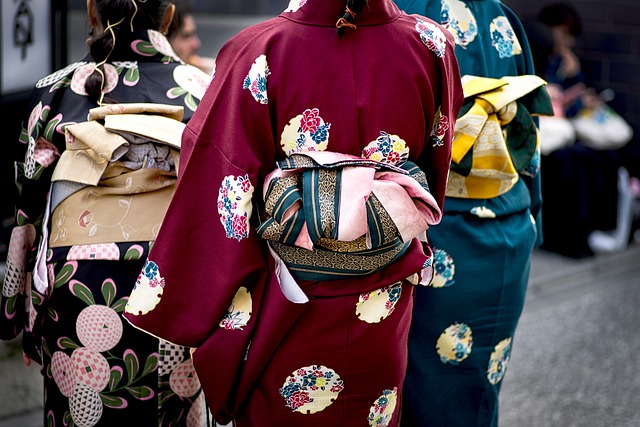
Kimono is Japan’s traditional ethnic clothing with a long history and cultural beauty.
There are various types of kimonos, which are used differently depending on formality and purpose.
New formal kimonos can range from several hundred thousand to millions of yen depending on the materials, dyeing techniques, and weaving methods.
These formal kimonos are worn at special ceremonies such as weddings, coming-of-age ceremonies, and tea ceremonies.
On the other hand, yukata, a casual attire, can be purchased at relatively affordable prices from a few thousand yen.
Yukatas are mainly worn for summer events, firework displays, and summer festivals. While yukata is technically a type of kimono, it is often considered separately as “YUKATA.”
When purchasing a kimono, we recommend considering in advance what occasions you plan to wear it for, and whether you need a formal kimono or if a casual yukata would suffice.
Why Second Hand Shops Are Good for Tourists Buying Kimonos
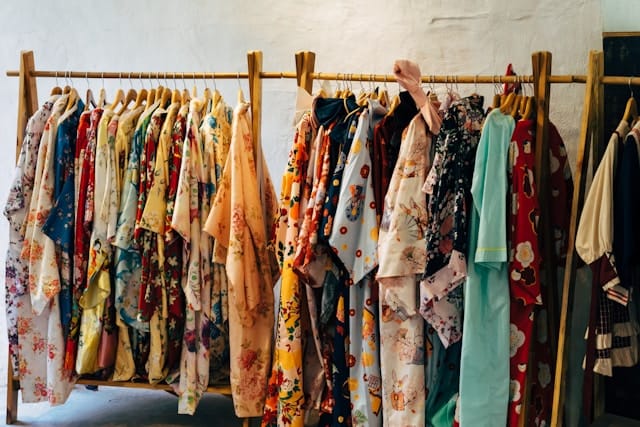
Image from unsplash.com
When purchasing a new kimono in Japan, the typical process is custom-made.
First, you get measured at a specialty store, select the fabric and pattern, and then order it to be tailored. This process usually takes several months from order to completion.
For foreigners visiting Japan for a short-term trip, it’s difficult to order a new kimono and receive it during their stay.
This is why “recycled kimonos” are recommended.
Second-hand kimonos can be purchased on the same day and are available at very reasonable prices compared to new ones.
Quality second-hand kimonos can be purchased from tens of thousands of yen, making them a wonderful memento to bring home the traditional beauty of Japan.
Recommended Second Hand Kimono Shops in Tokyo
At kimono recycling shops, you can try on and immediately purchase everything from casual yukatas to formal kimonos.
Japan has a developed kimono recycling culture, and Tokyo has many second-hand kimono specialty stores.
These shops carefully store and manage previously used kimonos and offer them at reasonable prices.
The benefits of purchasing from recycling shops include:
- Wide price range: Options are available from a few thousand to hundreds of thousands of yen, depending on your budget
- Possibility of finding treasures: With luck, you might find high-end brands or rare kimonos at bargain prices
- Acquiring vintage kimonos: You may find kimonos with traditional designs or materials that are difficult to obtain nowadays
- Tax-free shopping: Many stores offer tax-free shopping, making purchases even more affordable
- English support: Many tourist-oriented stores now have English-speaking staff
Kimono Tiroir / Ginza
この投稿をInstagramで見る
A second-hand kimono specialty store in Ginza offering high-quality kimonos at reasonable prices.
Particularly known for its easy-to-understand pricing and attentive customer service for beginners.
- Features: Sophisticated selection, cleaned products, English support available
- Price range: 5,000-50,000 yen for individual kimonos, 15,000-80,000 yen for sets
- Access: 5-minute walk from Ginza Station on the Tokyo Metro Ginza Line
- Address: 4F Exit Melsa, 5-7-10 Ginza, Chuo-ku, Tokyo 104-0061, Japan
- Business hours: 11:00-19:00
Asakusa Kirakuya / Asakusa
この投稿をInstagramで見る
A popular kimono recycling shop in Asakusa with an atmosphere that’s easy for tourists to feel comfortable in.
They offer a wide selection of not only kimonos but also obi belts and accessories.
- Features: Located in a tourist area with services catering to foreign tourists, English support available
- Price range: 3,000-30,000 yen for individual kimonos, 10,000-50,000 yen for sets
- Access: 7-minute walk from Asakusa Station on the Tokyo Metro Ginza Line
- Address: 1F Moriya WORLD Building, 1-22-3 Asakusa, Taito-ku, Tokyo 111-0032, Japan
- Business hours: 10:00-18:00
MEGA Tansuya / Asakusa, Haneda Airport
この投稿をInstagramで見る
Tansuya is a major second-hand kimono chain with stores throughout Japan.
The Asakusa and Haneda Airport locations are particularly popular with foreign tourists.
- Features: Abundant selection, consistent quality, clear pricing, English support available
- Price range: 2,000-40,000 yen for individual kimonos, 8,000-60,000 yen for sets
- Access:
Asakusa store: 3-minute walk from Asakusa Station on the Tokyo Metro Ginza Line
Haneda Airport store: Directly connected to Haneda Terminal 3 - Address:
Asakusa store: 7F Ekimise, 1-4-1 Hanakawado, Taito-ku, Tokyo 111-0033, Japan
Haneda Airport store: Haneda Airport Garden 244, 2F Terminal 3, 2-7-1 Haneda Airport, Ota-ku, Tokyo - Business hours:
Asakusa store: 10:00-19:00
Haneda Airport store: 9:00-20:00
Asakusa
Haneda
Important Considerations When Purchasing a Kimono
Consider Where and Why You’ll Wear It
Kimonos vary by purpose. From casual yukatas to formal visiting kimonos (homongi) to special occasion furisode, there are kimonos appropriate for different settings.
ADVICE:Tell the staff your purpose and where you plan to wear the kimono. For example, being specific about wanting to “wear it for dinner at a restaurant,” “wear it to a Japanese friend’s wedding,” or “wear it at home as a hobby” will help you receive appropriate advice.
Try It On and Get Advice from Staff
Kimonos differ from regular Western clothing, as the fit changes depending on how they’re worn.
Also, patterns and colors that suit you will vary depending on your body type.
ADVICE: When purchasing second-hand ready-made items, be sure to try them on and get advice from the staff. Checking your kimono appearance in the mirror will help bridge the gap between your image and reality.
Check for Necessary Accessories
When considering a kimono purchase, you need to think about not just the kimono itself but also the necessary accessories. A basic kimono set includes:
- The kimono itself
- Obi (belt-like sash)
- Obi-jime (cord for securing the obi)
- Undergarments (hadajuban, nagajuban, etc.)
- Other items (tabi socks, zori sandals, etc.)
ADVICE: For beginners, it’s convenient to choose package products that include these accessories. Consider additional items needed and your total budget.
Confirm Storage and Care Methods
Kimonos spend more time in storage than being worn, and the fabric may deteriorate if not stored properly.
ADVICE: Check with the staff about storage and care methods when making your purchase. Handling methods differ depending on the material. Polyester kimonos are relatively easy to care for, but high-end silk kimonos require attention to moisture and insect damage.
Always Check Quality Before Purchasing
Quality checks are especially important when buying second-hand items.
Check points:
- Any damage or fraying in the fabric
- Stains or dirt (especially around the collar and cuffs)
- Any color fading of the dye
- Whether the stitching is done carefully
Conclusion
Kimonos are beautiful garments that symbolize Japanese traditional culture and make an excellent souvenir choice from your Tokyo trip.
Recycling shops allow you to find unique kimonos at reasonable prices.
Since buying a kimono may be a once-in-a-lifetime purchase, it’s important to research thoroughly and buy from a place that matches your purpose and budget.
By trying it on to check how it actually looks on you and understanding the necessary accessories and storage methods, you can make a purchase without regrets.
We hope the information in this article helps you find the perfect kimono.
Please take it home as part of your wonderful memories of Japan.